Travel Tips
Travel Tips
Once you stop fearing the Métro map, the whole city opens up.
It looks intimidating on paper — a tangle of colored lines — but in practice it's one of the easiest systems in Europe to use, and it puts nearly anywhere in the city within a 20-minute ride. A multi-day pass pays for itself fast if you're covering real ground, and not having to think about parking or taxis frees up a surprising amount of headspace for actually enjoying the trip.
Don't miss: A multi-day transit pass if you're staying more than 2 days
Insider tip: Download an offline Métro map before you land
Allow: Rarely more than 20–30 min between anywhere in the city
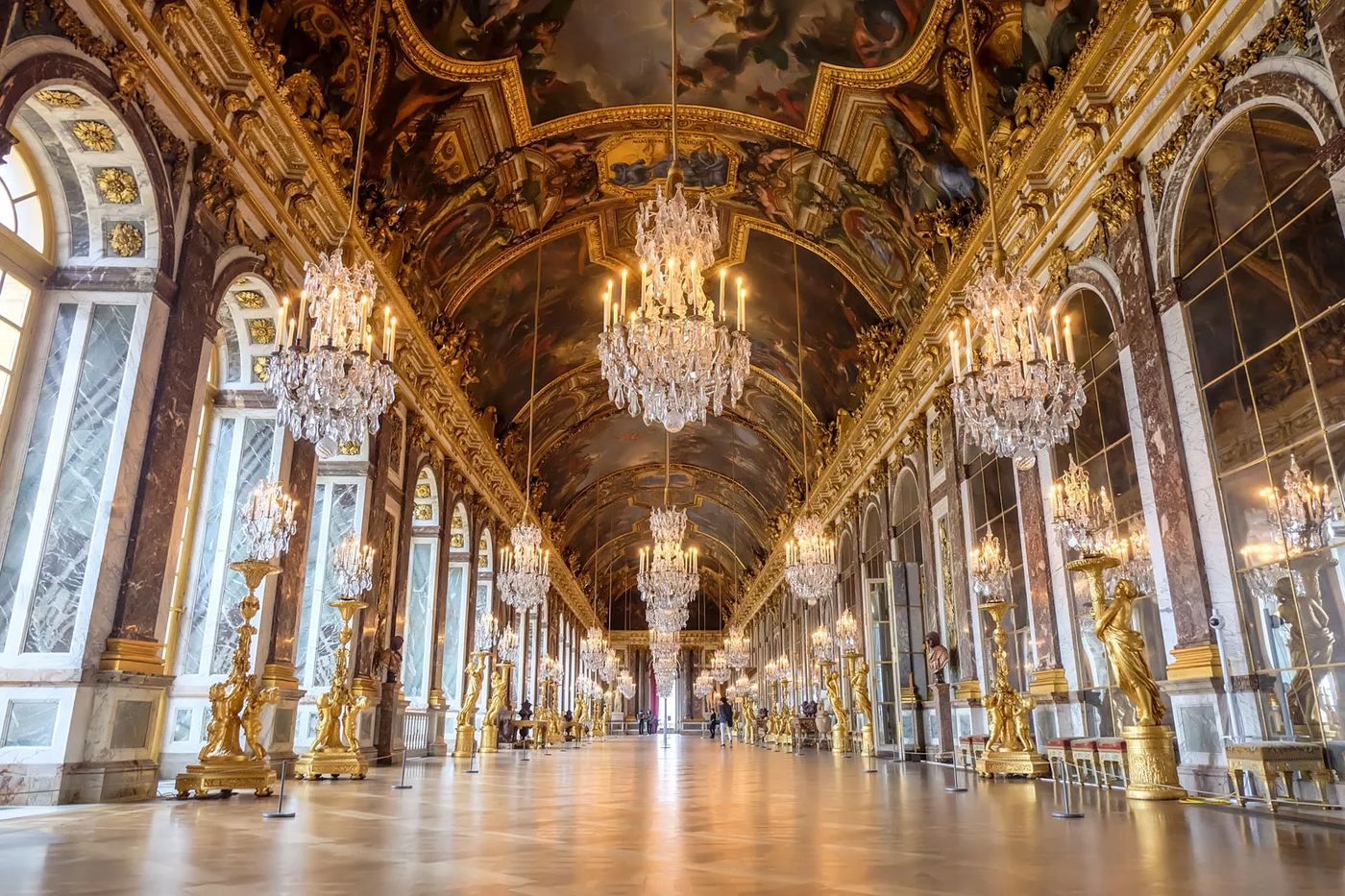
Step off the train into the gardens of a king, an easy hour outside the city.
The Palace of Versailles is a straightforward train ride directly from central Paris, and it's worth the full day it takes — the Hall of Mirrors alone is a genuine "I can't believe I'm standing here" moment, and the gardens stretch far enough that you could easily spend an entire afternoon just walking them.
Allow: A full day trip
Paris rewards the people who put their phone away and just walk.
Central Paris is smaller than it feels on a map, and some of the best moments happen between the places you planned to see — a bridge you didn't know about, a café with a view you weren't looking for. Give yourself at least one day with no fixed plan, just a direction to walk.
Don't miss: Crossing the Seine on foot at least once, at any hour
Insider tip: Leave one day genuinely unplanned
A few small things that make a real difference.
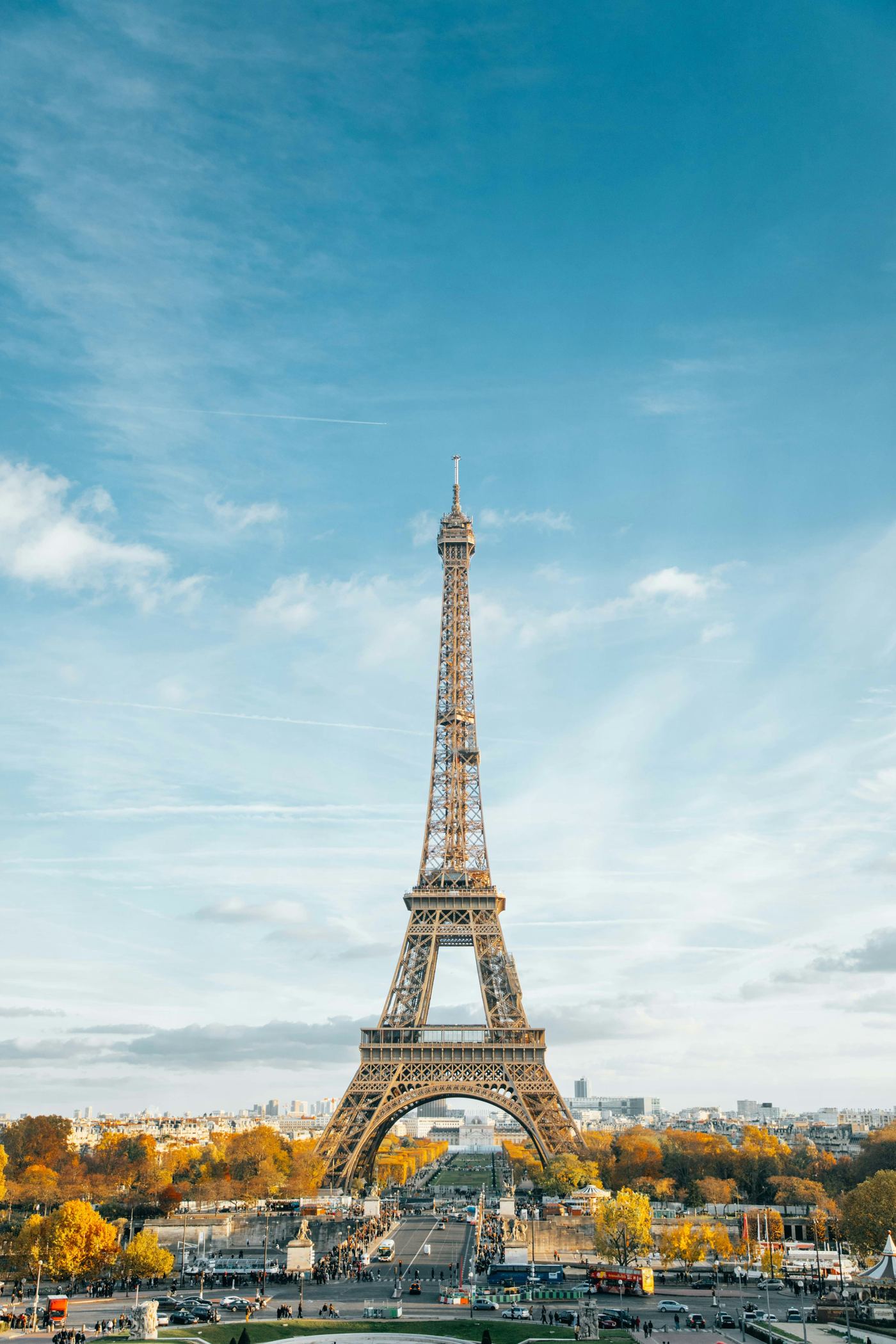
Learn a few basic French phrases (hello, thank you, excuse me) — while many Parisians speak English, it's appreciated. Be vigilant of pickpockets in crowded areas and on public transport. Book tickets for the Eiffel Tower, Louvre, and Versailles online in advance to avoid long queues. Tipping is customary but not mandatory, since service is usually included. Carry a reusable water bottle — public fountains (fontaines Wallace) are all over the city. Dress modestly when visiting churches, covering shoulders and knees.
Emergency numbers: 112 (European emergency), 17 (Police), 18 (Firefighters), 15 (Medical)
The best area depends on who you're traveling with.
Families: Saint-Germain-des-Prés (6th) is quiet, safe, and close to Luxembourg Gardens; the area around the Eiffel Tower and the 15th Arrondissement are similarly calm and residential. Couples: the 3rd Arrondissement, Saint-Germain-des-Prés, and Montmartre all lean romantic, with cobbled streets and intimate bistros. Nightlife: Bastille and Le Marais (3rd) for bars and clubs, the Latin Quarter (5th) for a livelier, budget-friendly student scene. First-time visitors: the 1st Arrondissement (Louvre/Tuileries) is the most central. Budget travelers: Montmartre, the Latin Quarter, and the 10th/11th Arrondissements offer better value.
Use caution: areas around Gare du Nord and parts of Pigalle can feel less comfortable at night
From the Golden Triangle to Sunday flea markets — every budget is covered.
High budget: Avenue Montaigne and Rue du Faubourg Saint-Honoré for haute couture (Dior, Chanel, Hermès), Boulevard Haussmann for Galeries Lafayette and Printemps. Medium budget: the 3rd Arrondissement for independent boutiques, Rue de Rivoli for international chains. Low budget: Les Puces de Saint-Ouen — the largest flea market in the world — plus Le Marais and Canal Saint-Martin for vintage "friperies."
Sunday markets: Marché Bastille, Marché Raspail (organic), and Rue Mouffetard in the Latin Quarter
Best Rates